



 Home
Home 
 Products
 ODM/OEM
 Why Buletedan
 Media
Media 
 Contact
 Search
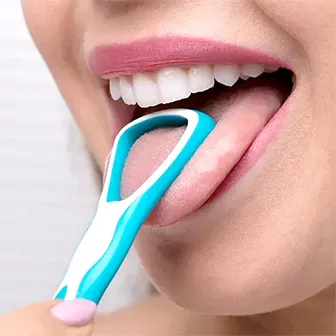
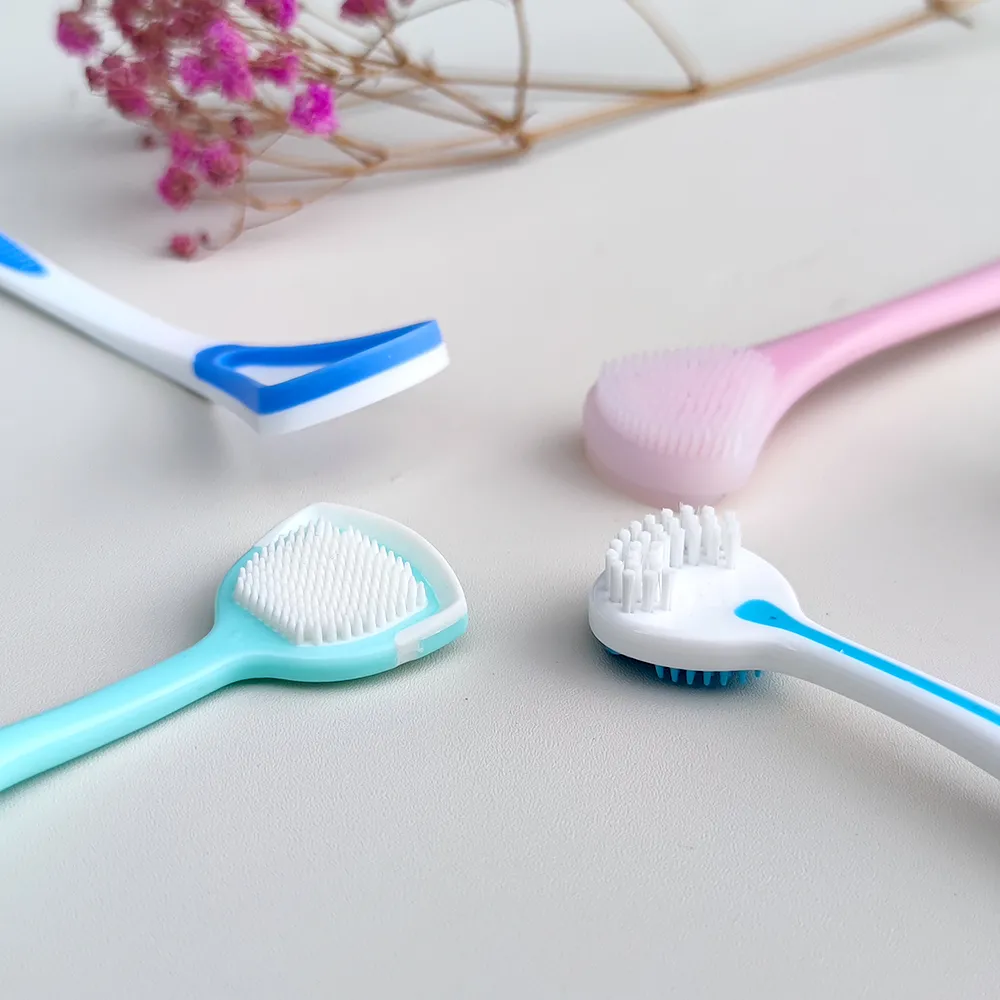
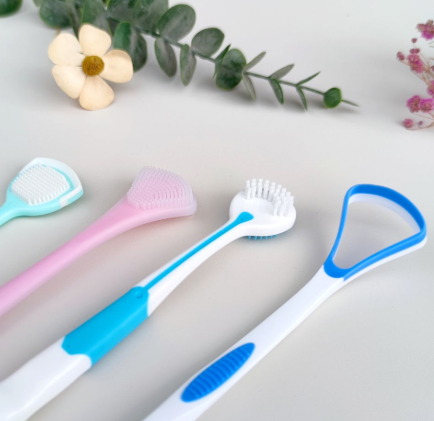
A tongue scraper is an oral hygiene tool designed to remove food particles, bacteria, and dead cells from the surface of your tongue. Regular use of a tongue scraper can contribute to better overall oral health, improved taste, and fresher breath. But how often should you use it for maximum benefits? Let’s dive into the answer and explore the advantages of tongue scraping.
1. Daily Use for Optimal Oral Health
The most common recommendation from dental professionals is to use a tongue scraper once a day. Ideally, it’s best to incorporate tongue scraping into your morning routine, just after brushing your teeth. This helps remove the buildup of bacteria and dead cells that accumulate overnight. Since the tongue is a breeding ground for bacteria, cleaning it daily can significantly reduce the chances of bad breath and contribute to overall oral hygiene.
Why Morning is Best: The bacteria on your tongue multiply throughout the night, which is why morning is an ideal time for scraping. By cleaning your tongue first thing in the day, you remove the most bacteria and prevent the unpleasant morning breath.
When to Avoid Scraping: If your tongue is too sore or irritated, avoid scraping it until it heals. Always scrape gently to prevent injury.
2. Can You Scrape More Than Once a Day?
While daily scraping is beneficial, there’s no harm in scraping your tongue more than once a day, as long as you're doing it gently. Some people with specific oral health conditions, such as chronic bad breath (halitosis) or those who are using a specific diet plan, may choose to scrape more frequently to help eliminate bacteria buildup throughout the day.
Multiple Scrapes: If you feel like you have a coated tongue again later in the day, you can scrape it after meals. However, be mindful not to scrape too aggressively, as this can irritate the tongue or gums.
Special Conditions: Those dealing with dry mouth, sinus infections, or certain medications that affect their oral health may find additional scraping helpful for fresher breath.
3. Listen to Your Body
Like any hygiene habit, it's important to listen to your body when using a tongue scraper. If you notice discomfort or irritation, reduce the frequency or intensity of your scraping. Your tongue should feel clean and fresh after use, not sore or inflamed.
Gentle Scraping: Always scrape gently, starting from the back of the tongue and moving forward. A light, consistent scrape is enough to remove the buildup without causing harm.
Check for Discomfort: If you experience pain or persistent discomfort, it may be a sign to adjust your technique or frequency of scraping.
4. Benefits of Regular Tongue Scraping
Using a tongue scraper regularly can have a number of positive effects on your oral health and overall well-being:
Improved Oral Hygiene: Tongue scraping removes bacteria that brushing and flossing alone might miss, improving your overall oral hygiene.
Fresher Breath: By removing the bacteria responsible for bad breath, tongue scraping contributes to fresher breath throughout the day.
Better Taste Sensitivity: Regular scraping can help improve your sense of taste by clearing the coating that can dull your taste buds.
Healthier Gums: Some studies suggest that tongue scraping can reduce the risk of gum disease by eliminating bacteria that contribute to plaque buildup.
5. Conclusion: Stick to a Routine
For most people, using a tongue scraper once a day—preferably in the morning—is sufficient to maintain good oral hygiene and enjoy the benefits of fresher breath and a cleaner mouth. However, if you feel the need to scrape more frequently, listen to your body and do so gently. Regular use, combined with brushing and flossing, can help ensure that your mouth stays fresh and your oral health remains in top condition.