



 Home
Home 
 Products
 ODM/OEM
 Why Buletedan
 Media
Media 
 Contact
 Search
Understanding oral hygiene practices, specifically interdental cleaning habits, varies significantly from country to country. This divergence is essential for manufacturers like Buletedan to tailor their global brand strategy effectively. With an increasing demand for interdental brushes worldwide, recognizing these habits becomes critical in generating targeted marketing approaches. This article delves into the cultural differences in interdental cleaning practices, their implications for international manufacturers, and how these insights can shape brand strategies.
1. Overview of Interdental Cleaning Practices
Interdental cleaning methods encompass a range of tools and techniques varying in popularity depending on cultural norms, accessibility, and health education levels. Understanding these can help identify market opportunities and challenges. Below are some methodologies and insights.
Understanding Different Interdental Cleaning Techniques
Across different regions, individuals employ varying techniques to maintain oral hygiene. For example:
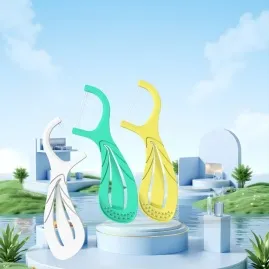
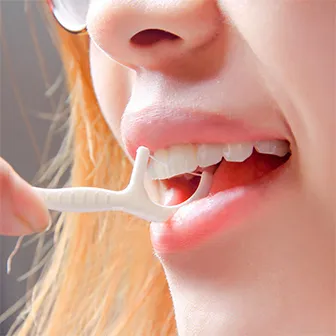
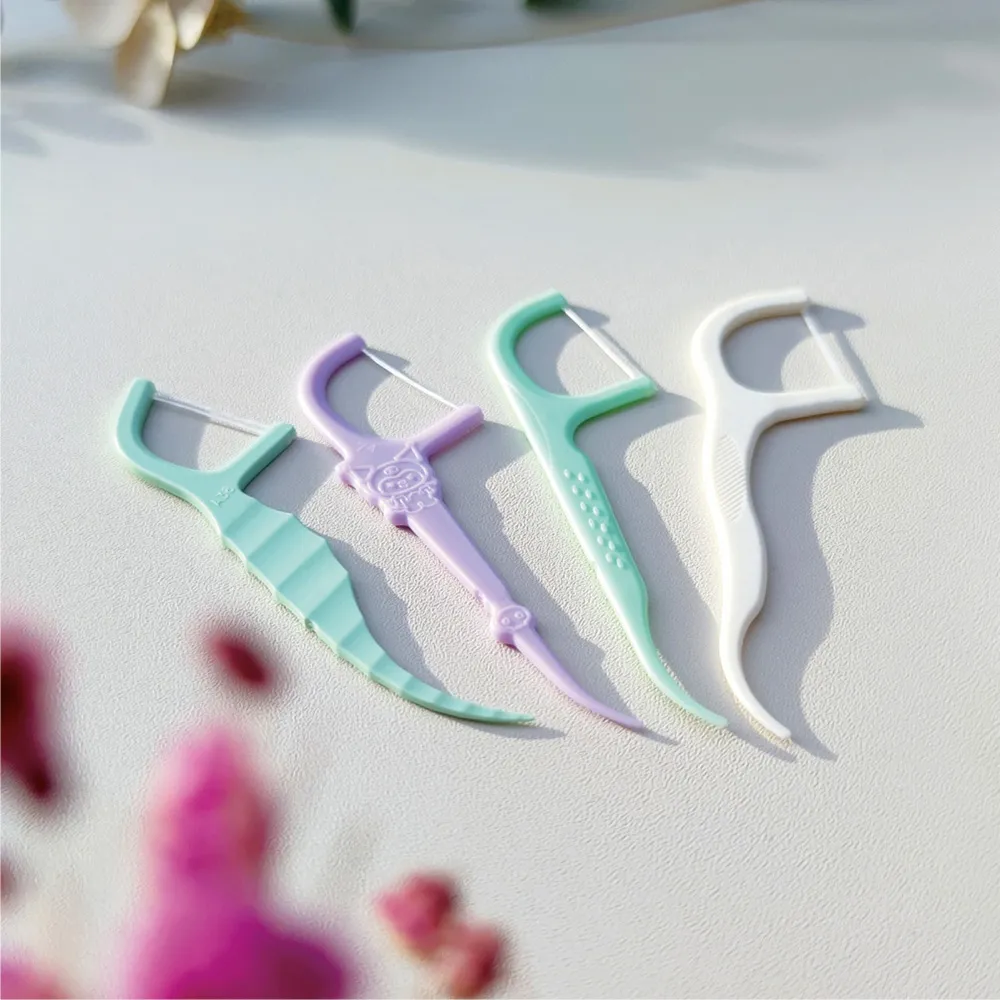
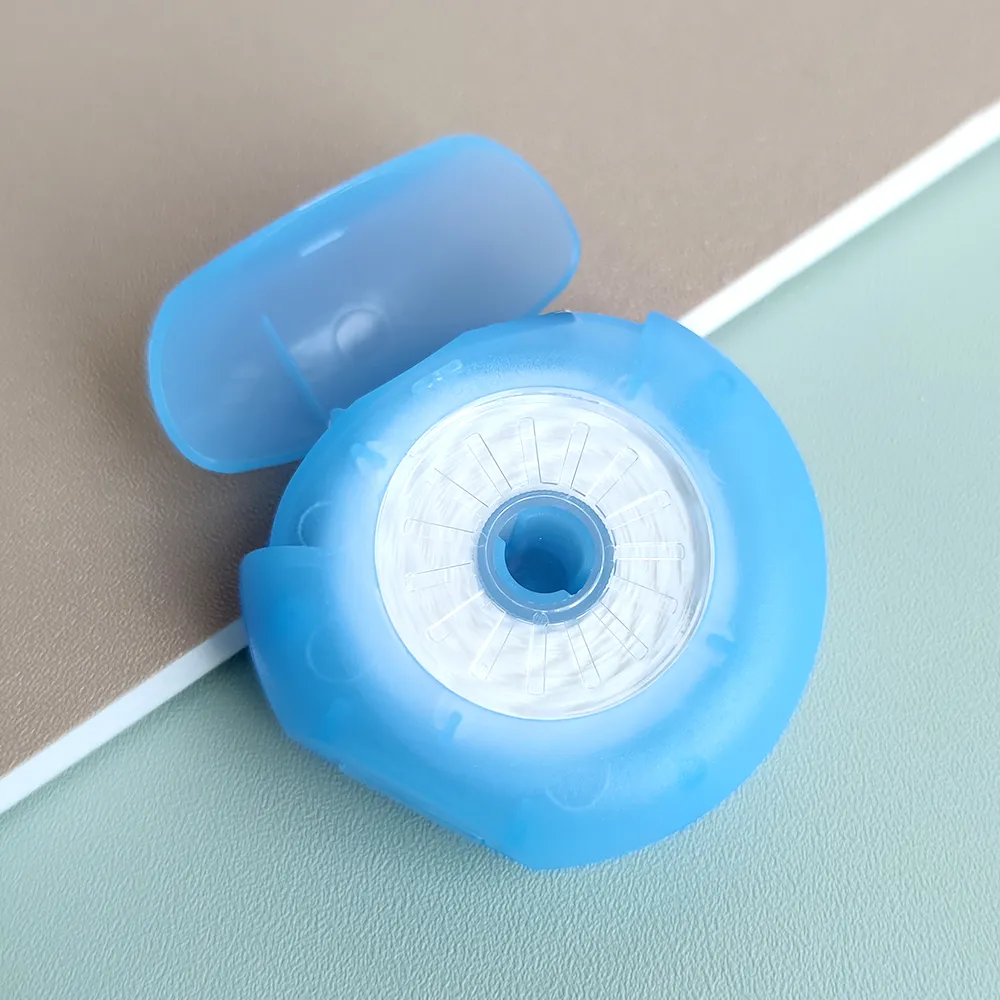
Flossing: Common in North America, often recommended by dental professionals for effective plaque removal.
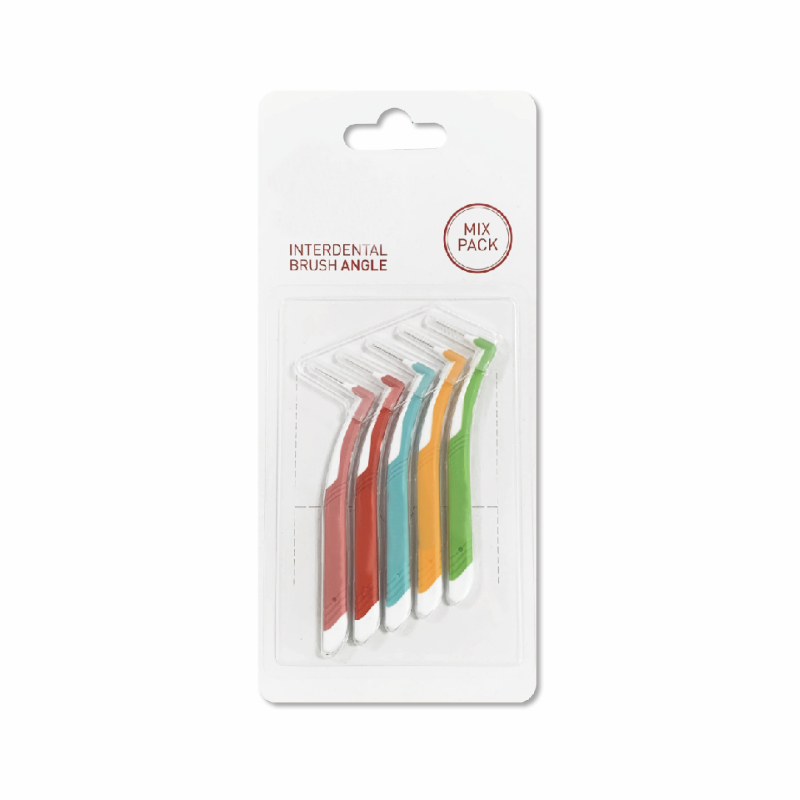
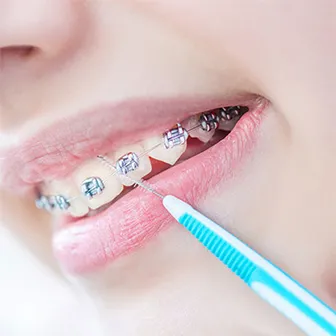
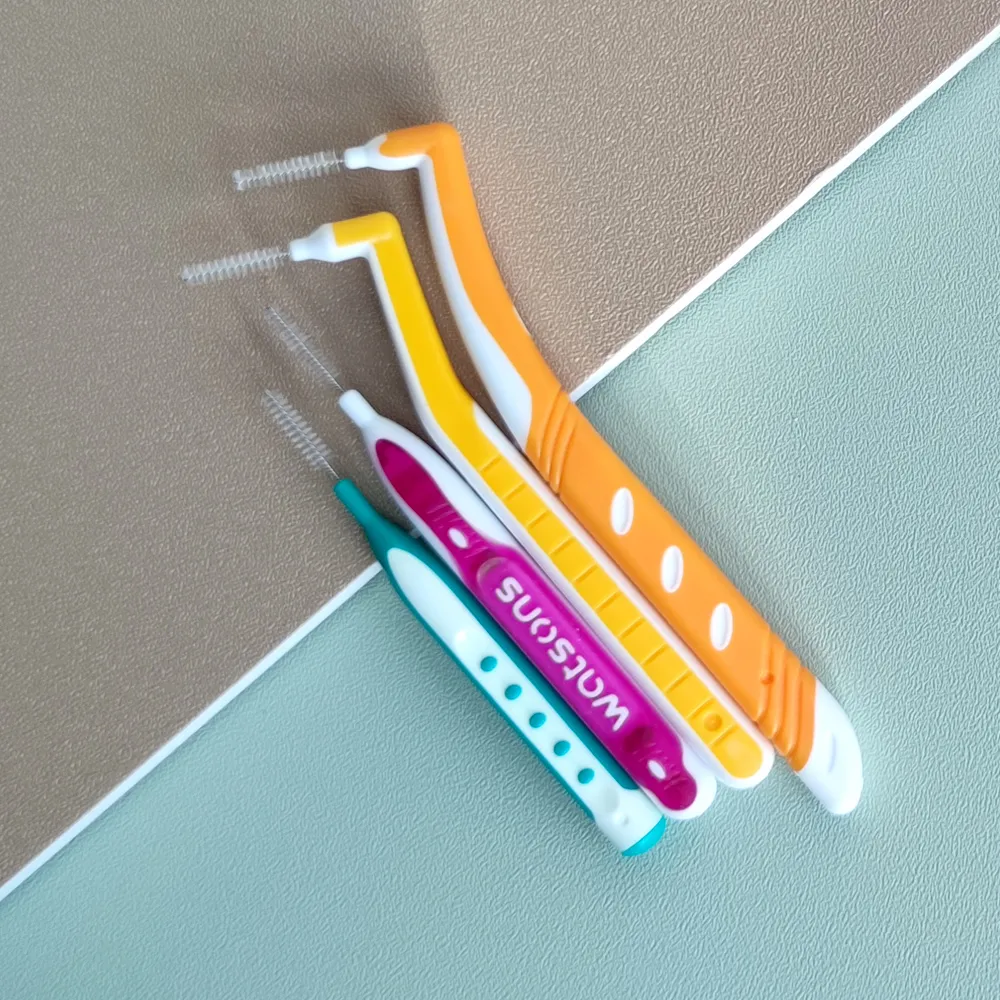
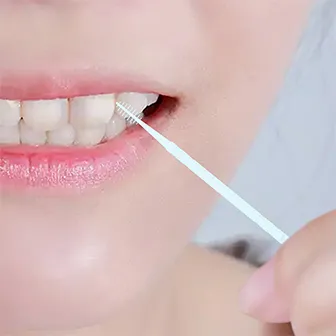
Interdental Brushes: Gaining popularity in Europe, particularly in Scandinavian countries, as they are considered efficient.
Water Flossers: Often used in some Asian markets, considered more convenient by younger consumers.
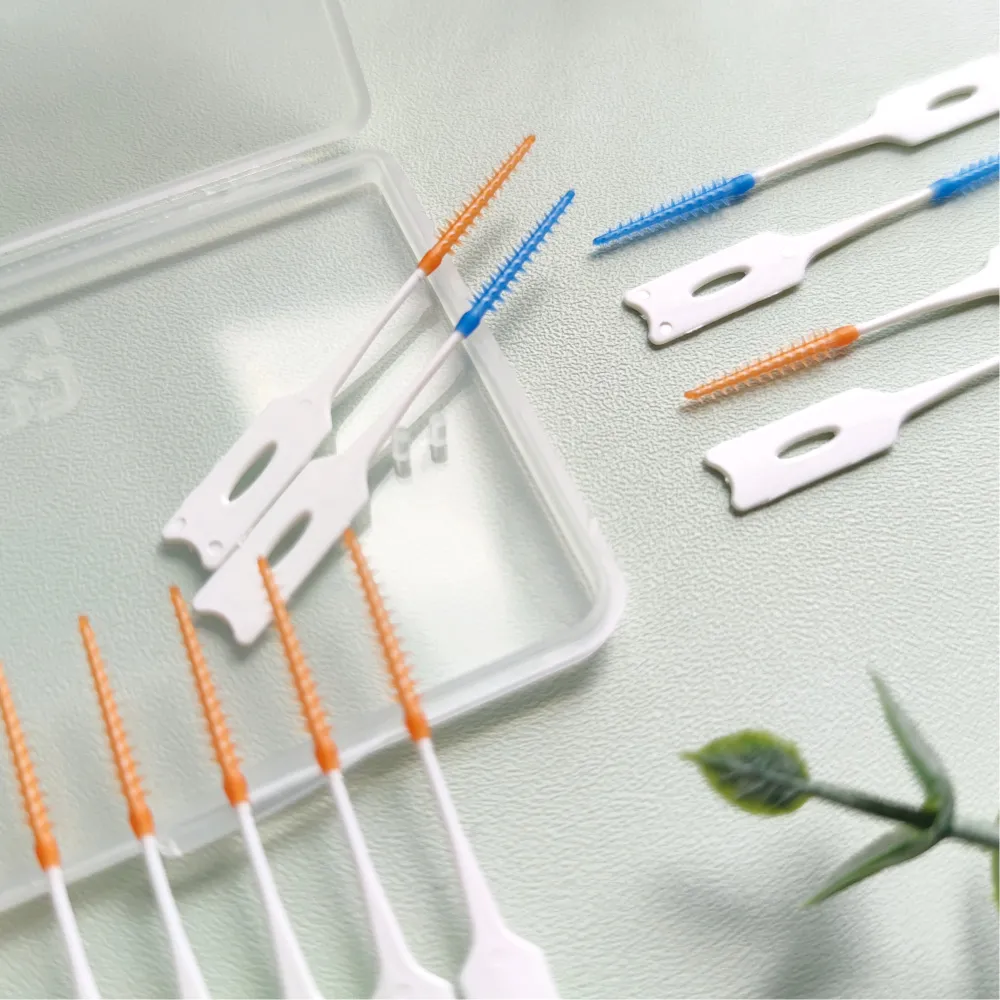
Toothpicks: Still prevalent in many South American cultures, emphasizing traditional practices.
2. Regional Breakdown of Interdental Cleaning Habits
Examining specific regions aids in pinpointing unique habits and preferences in interdental cleaning. This section highlights various countries and their typical practices.
Flossing Predominance in North America
In the United States and Canada, dental professionals heavily advocate flossing, creating a culture where it's viewed as essential. Consumer awareness programs emphasize its importance, leading to high adoption rates.
The Rise of Interdental Brushes in Europe
European countries such as Sweden and Norway show a growing preference for interdental brushes. Studies indicate that these brushes remove plaque more effectively than traditional floss, leading to increased consumer trust and preference.
Water Flossers in Asia
Countries like Japan and South Korea are witnessing a trend towards water flossing, attributed to technological advancements and lifestyle convenience. Young consumers prioritize efficiency and modern solutions for oral health.
Traditional Practices in South America
In Latin America, traditional methods like toothpicks are still dominant, although awareness of alternative tools is slowly rising. Potential growth in interdental cleaning tools can be observed but requires educational initiatives.
3. Cultural Influences on Interdental Cleaning Practices
Cultural perceptions significantly affect oral hygiene practices around the globe. The following sub-sections delve into how cultural beliefs modify testing habits and preferences.
Social Norms and Oral Health Education
Impact of Education: Countries with comprehensive oral health education often show better hygiene management. Ensuring communities are informed can lead to higher usage of specialized tools like interdental brushes.
Religious and Traditional Beliefs
Some cultures integrate oral health practices into their daily rituals, significantly influencing the preference for specific products and tools. Understanding these beliefs is key for effective localization strategies.
4. Implications for Global Brand Strategy
1. Tailoring Products to Market Needs
2. Focused Marketing Campaigns Utilizing Local Influencers
3. Developing Educational Resources for Consumers
4. Collaborating with Dental Professionals to Endorse Products
5. Monitoring Trends and Preferences Regularly
Localized Product Development
Create product variants tailored to specific consumer needs based on regional preferences, such as different brush sizes or shapes to fit local interdental spaces.
Targeted Marketing Strategies
Leverage local influencers to promote new product launches and collaborations with dental professionals to enhance brand credibility.
Building Educational Resources
Implement educational programs focusing on the importance of interdental cleaning. These can comprise online resources, community workshops, or partnerships with dental schools.
Continuous Market Adaptation
Regularly review consumer data to stay ahead of trends in interdental cleaning, adjusting marketing strategies as necessary to align with shifting habits.
5. Comparative Table of Interdental Cleaning Tools by Country
| Country | Floss (%) | Interdental Brushes (%) | Water Flossers (%) | Toothpicks (%) |
|---|---|---|---|---|
| USA | 65 | 15 | 10 | 10 |
| Germany | 30 | 40 | 10 | 20 |
| Japan | 15 | 25 | 40 | 20 |
| Brazil | 20 | 15 | 5 | 60 |
6. Conclusion
To remain competitive, brands like Buletedan must recognize and adapt to diverse interdental cleaning habits across the globe. By aligning product development and marketing strategies with regional preferences, global manufacturers can enhance their market presence while fostering healthier oral care habits worldwide.