



 Home
Home 
 Products
 ODM/OEM
 Why Buletedan
 Media
Media 
 Contact
 Search
Maintaining good oral hygiene is not only about brushing your teeth twice a day. Cleaning between the teeth is equally important because this is where plaque, food debris, and bacteria tend to accumulate. One of the most common questions people ask in oral care is whether floss picks are as effective as regular dental floss. While floss picks are convenient and widely used, they are not always the best substitute for traditional floss when it comes to thorough cleaning and long-term gum health.
Floss Picks vs Traditional Dental Floss
Floss picks can certainly be better than not flossing at all. They make the process quick, portable, and easier for people who struggle with handling traditional floss. However, convenience does not always equal effectiveness. Dental professionals consistently emphasize that traditional string floss provides a more complete and precise clean compared to floss picks.
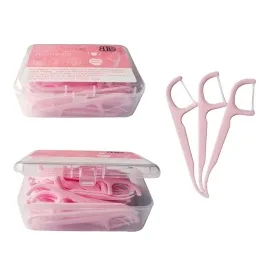
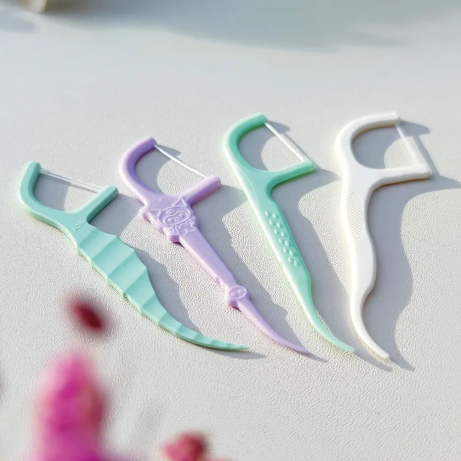
Floss picks consist of a short piece of floss stretched between two plastic prongs. This design keeps the floss straight and fixed in position. While this makes them easy to use, it also limits how well they can adapt to the natural shape of your teeth. Teeth are not flat surfaces; they are curved, uneven, and tightly spaced in many areas. Because floss picks hold the floss in a rigid line, they often cannot wrap fully around each tooth surface, which reduces their ability to remove plaque effectively.
Traditional dental floss, on the other hand, offers flexibility and control. It can be wrapped around each tooth in a “C-shape,” allowing it to hug the tooth surface closely and clean below the gumline. This wrapping motion is essential because plaque tends to build up not only between teeth but also just under the gumline, where floss picks often fail to reach adequately. Over time, this difference in cleaning efficiency can have a significant impact on gum health and cavity prevention.
Why Floss Picks May Miss Hidden Plaque
Dental professionals have observed cases where patients who regularly use floss picks still develop cavities or gum issues in areas that are not being cleaned thoroughly. This often happens in tight spaces or around irregular tooth surfaces where a straight piece of floss simply cannot adapt. Even if floss picks are used daily, they may leave behind small areas of plaque that gradually contribute to tooth decay or gum inflammation.
Proper Flossing Technique With Traditional Floss
Understanding proper flossing technique can also highlight why traditional floss is preferred. When using string floss correctly, you begin by cutting about 18 inches of floss and wrapping most of it around your middle fingers, leaving a small section to work with. You then gently guide the floss between your teeth using your thumbs and index fingers. Once the floss reaches the gumline, it is important to curve it around the side of each tooth and move it gently up and down. This motion ensures that you are cleaning both the tooth surface and the area just beneath the gumline without damaging the surrounding tissue.
One of the key advantages of traditional floss is that it allows you to use a fresh section of floss for each tooth. As you move from one tooth to the next, you can unwind more clean floss from your fingers. This reduces the risk of spreading bacteria from one area of the mouth to another. Floss picks, in contrast, use a single short segment of floss for the entire mouth, which can become less effective and less hygienic as you progress through your teeth.
Flossing and Gum Health
Another important factor is gum health. When people first start flossing, especially if they have not flossed regularly before, they may notice slight bleeding. This is often a sign of gum inflammation caused by plaque buildup. With consistent and proper flossing, the gums usually become healthier and the bleeding reduces within one to two weeks. Traditional floss, because it cleans more thoroughly along the gumline, is often more effective in reversing early signs of gum irritation.
When Floss Picks Can Still Be Useful
Floss picks still have their place in oral care routines. They can be helpful for people with limited dexterity, such as children, elderly individuals, or those with mobility issues. They are also useful for quick cleaning after meals when traditional floss may not be available. However, they should ideally be seen as a supplement rather than a replacement for standard flossing.
Final Recommendation From Dental Professionals
For individuals who want to maintain optimal oral health, dentists generally recommend using traditional floss at least once a day. It requires a bit more time and technique, but the benefits in terms of plaque removal, cavity prevention, and gum health are significant. The flexibility of string floss allows it to adapt to each unique tooth shape, providing a deeper and more thorough clean that floss picks cannot consistently match.
In conclusion, while floss picks are convenient and better than skipping flossing altogether, they are not as effective as regular dental floss for comprehensive oral hygiene. Traditional floss remains the gold standard because it cleans more thoroughly, reaches more difficult areas, and supports better long-term gum health. By taking a few extra minutes each day to use proper flossing techniques, you can significantly improve your oral health and reduce the risk of dental problems in the future.