



 Home
Home 
 Products
 ODM/OEM
 Why Buletedan
 Media
Media 
 Contact
 Search
Why So Many People Struggle With Flossing
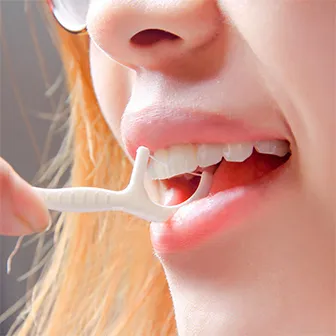
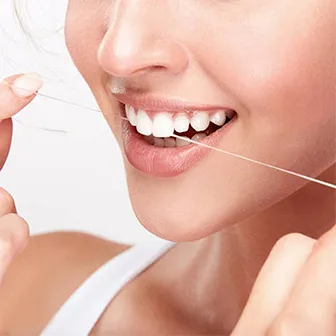
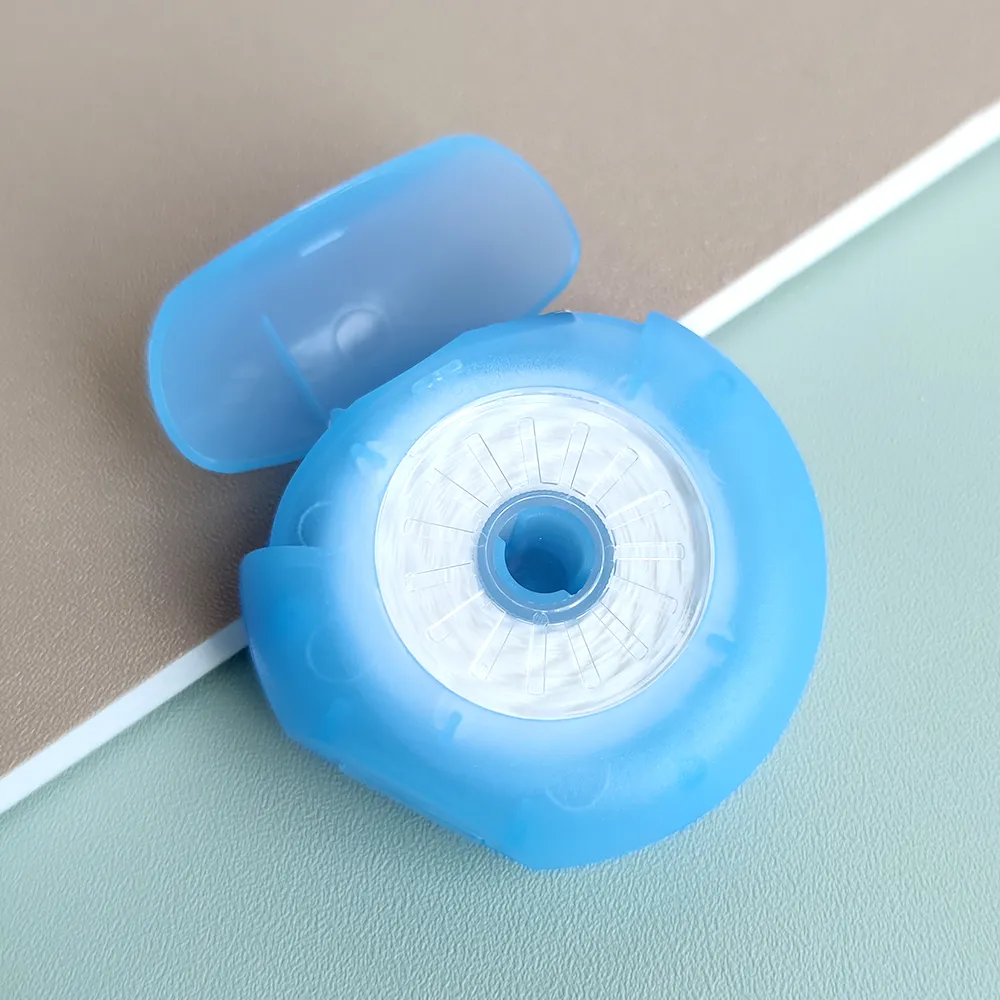
Flossing is often described by dentists as an essential step in oral hygiene, but in reality, it is one of the least consistently performed habits worldwide. Many people find it awkward, time-consuming, or simply uncomfortable. Wrapping floss around fingers, trying to reach back teeth, and dealing with tight contacts between teeth can turn a simple routine into a frustrating task.
According to reporting from U.S. News & World Report, only about one-third of people floss daily. That leaves a large majority of the population potentially missing out on effective plaque removal between teeth—an area that toothbrushes alone cannot fully clean.
This is where interdental cleaning alternatives, especially interdental brushes, are gaining attention. They offer a simpler, more intuitive approach to cleaning between teeth, and for many people, they may be easier to stick with long term.
What Are Interdental Brushes?
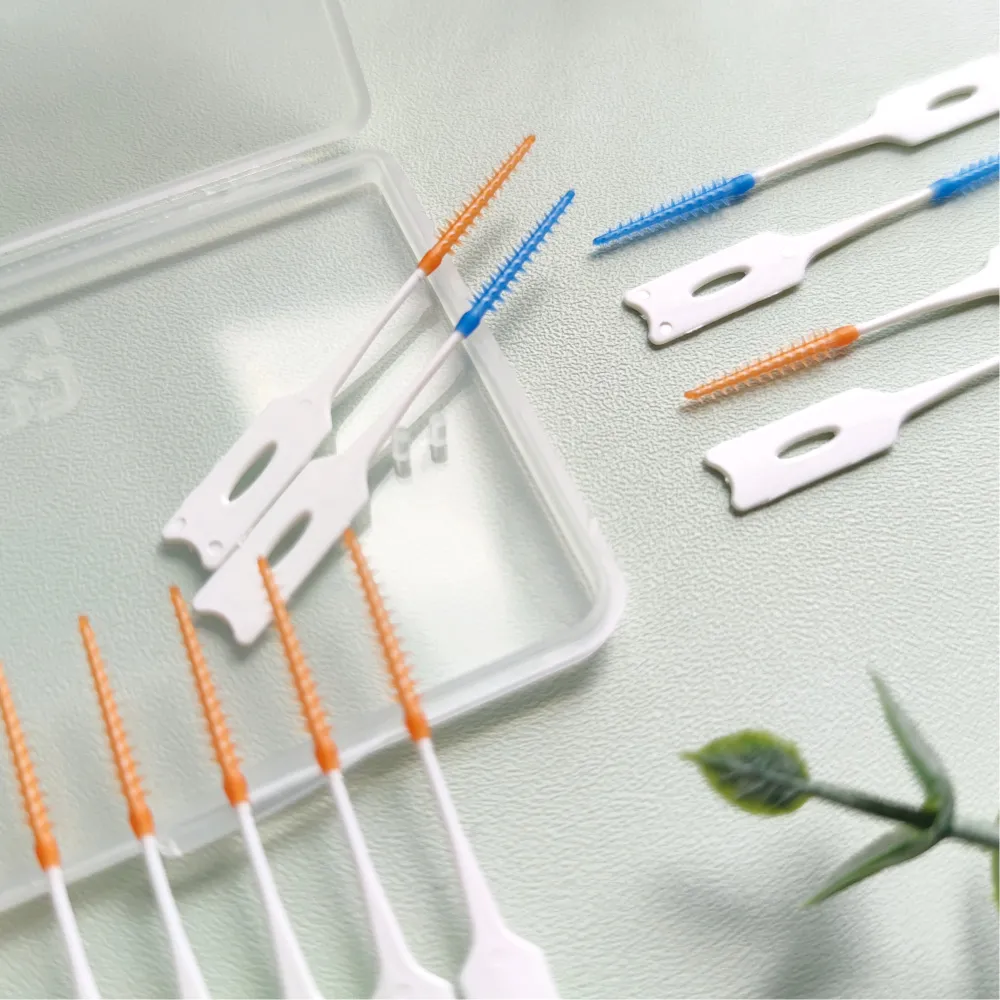
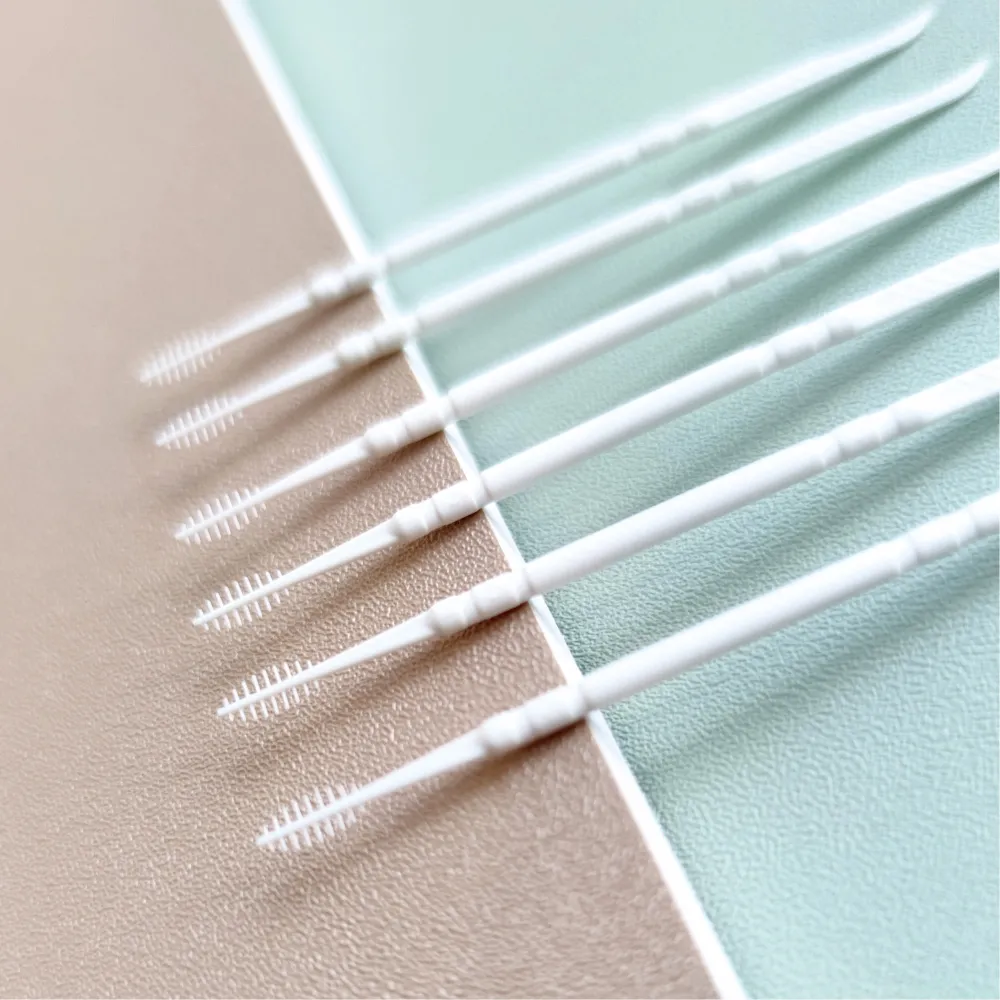
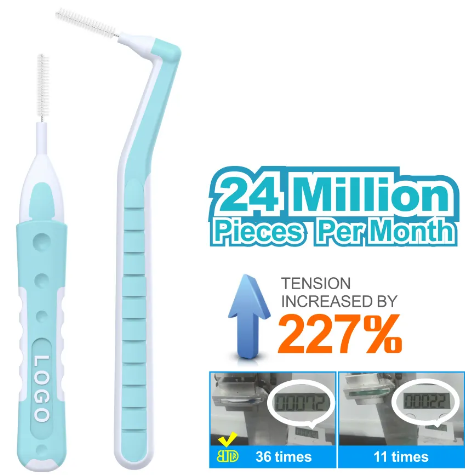
Interdental brushes are small, specially designed tools used to clean the spaces between teeth. They are recommended in various oral health guidelines, including those from the American Dental Association, as an effective method for removing plaque and food debris from areas a toothbrush cannot reach.
Structurally, they are simple but highly functional:
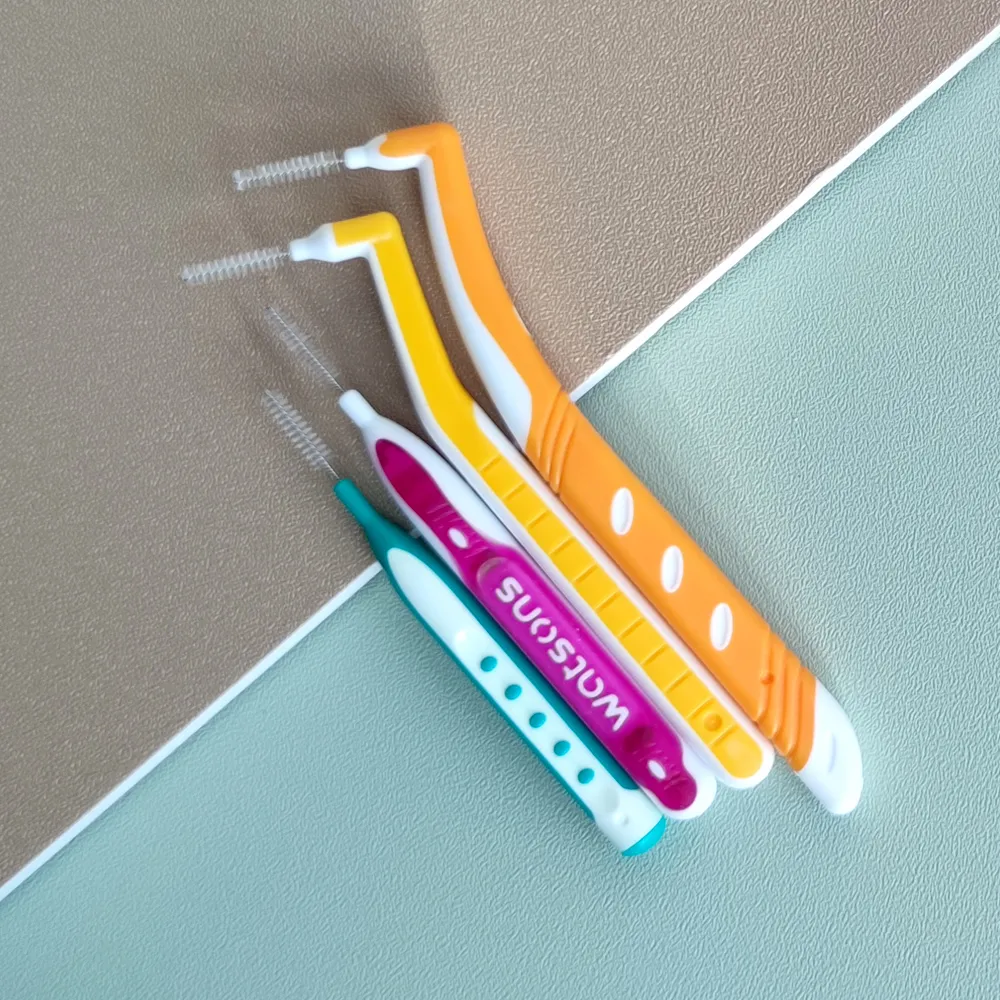
They usually consist of a small cylindrical or cone-shaped brush head made of soft bristles attached to a thin wire. The wire is mounted on a small handle, which can vary in length and grip style depending on the design. Some resemble miniature toothbrushes, while others are short and compact for portability.
One of their most important features is size variation. Interdental brushes come in multiple diameters to match different gaps between teeth. Many dental professionals recommend using different sizes for different areas of the mouth, since front teeth often have tighter spaces than molars.
How Interdental Brushes Work
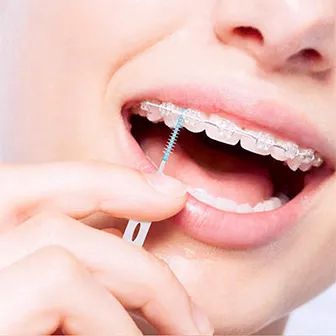
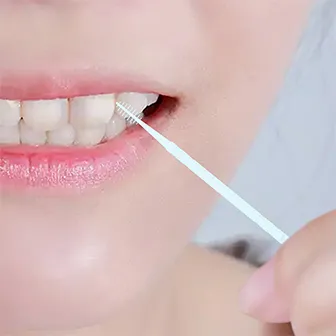
The usage technique is straightforward. Instead of threading floss between teeth, the brush is gently inserted into the gap and moved back and forth. This mechanical scrubbing action removes plaque, bacteria, and food particles more effectively in some cases than string floss.
Unlike floss, which relies on a “cutting” motion against plaque, interdental brushes physically sweep the space clean with bristles. This makes them particularly effective in wider gaps or around dental work such as bridges or implants.
Are Interdental Brushes More Effective Than Floss?
Research suggests that interdental brushes may offer advantages over traditional floss in certain cases. A study referenced by the National Center for Biotechnology Information found that when used alongside regular toothbrushing, interdental brushes were more effective at removing plaque compared to floss alone.
However, this does not mean floss is obsolete. Instead, it highlights that different tools may be more suitable for different oral conditions and user preferences. In modern dental care, the focus is shifting toward “what works best for the individual,” rather than a one-size-fits-all recommendation.
The Advantages of Interdental Brushes
Interdental brushes offer several practical benefits that make them appealing for everyday use:
First, they are easier to use. There is no complicated wrapping technique, no finger strain, and no need to “thread” between tight teeth. This simplicity improves compliance, especially for people who dislike flossing.
Second, they are often more comfortable for cleaning wider spaces between teeth. Instead of snapping floss into tight areas, the brush glides in more gently.
Third, studies suggest they may be as effective or even more effective than floss in reducing plaque and gingivitis when used correctly.
Finally, they are generally well-accepted by patients, especially those who struggle with traditional flossing routines.
The Limitations of Interdental Brushes
Despite their advantages, interdental brushes are not perfect.
They may not fit very tight spaces between teeth, where floss is still more practical. Some users may also experience mild gum bleeding when first using them, especially if gums are inflamed. This usually improves with regular use, but it can discourage beginners.
There is also a learning curve in selecting the correct brush size for different areas of the mouth. Using the wrong size can reduce effectiveness or cause discomfort.
Additionally, while floss is widely available in almost every store, interdental brushes may be slightly harder to find depending on location.
Who Should Use Interdental Brushes?
Interdental brushes are particularly helpful for certain groups of people.
Individuals with limited dexterity, such as older adults or those with arthritis, often find flossing difficult. Interdental brushes require less finger coordination and are easier to handle.
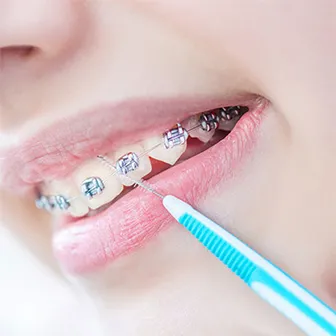
People with braces also benefit significantly. Flossing around brackets and wires can be time-consuming and frustrating, while interdental brushes can reach around orthodontic hardware more easily.
Those with larger gaps between teeth are another key group. In these cases, floss may not clean effectively because it cannot fully contact the tooth surfaces. Brushes, however, can physically sweep these areas more thoroughly.
Finally, people who simply dislike flossing often find interdental brushes to be a more realistic long-term solution. Since consistency is the most important factor in oral hygiene, any method that improves adherence is valuable.
Flossing vs Interdental Brushes: Do You Have to Choose?
It is important to understand that this is not necessarily an either-or situation. Many dental professionals recommend combining methods depending on individual needs. Some spaces in the mouth may be best cleaned with floss, while others respond better to interdental brushes.
The ultimate goal is not to choose a “winner,” but to ensure that plaque is consistently removed from between teeth. Both tools are designed to achieve this, just in different ways.
Final Thoughts
Interdental cleaning is one of the most important parts of oral hygiene, yet also one of the most neglected. Whether due to inconvenience, discomfort, or lack of habit, flossing is not widely practiced on a consistent basis.
Interdental brushes offer a practical alternative that is easier to use for many people and, in some cases, more effective at removing plaque. Backed by dental organizations like the American Dental Association and supported by research from the National Center for Biotechnology Information, they are increasingly recognized as a valuable tool in modern oral care.
The best choice ultimately depends on your teeth, your comfort level, and your ability to maintain a daily routine. What matters most is not which tool you choose, but that you actually use it consistently.